HIV Testing in Nairobi: Symptoms, Window Period, and When to Get Tested

Learn what HIV is, how it spreads, the symptoms to watch for, and how soon after exposure you can get an accurate test.

KENAS Accredited ISO 15189:2022 Certified Strictly Confidential
Medically reviewed by Dr. Paul Yonga, Medical Director & Infectious Disease Specialist · Last updated: 2026-08-20
Key Takeaways
  • 1,326,336 people were living with HIV in Kenya as of 2024 — 3.03% prevalence (NSDCC/NASCOP 2025).
  • Many people with HIV have no symptoms — fever, swollen lymph nodes, rash, and fatigue are the most typical when they do appear (WHO/CDC).
  • Three test methods: rapid test, ELISA, and PCR — each with a different window period.
  • Testable window: 23–90 days (antibody), 18–45 days (antigen/antibody), 10–33 days (PCR) after exposure (CDC).
Seek medical care urgently if you've had a possible HIV exposure within the last 72 hours — post-exposure prophylaxis (PEP) may reduce the risk of infection, but only works within this window. Seek care immediately at the nearest emergency facility or healthcare provider who can assess you for PEP.

What Is HIV?

HIV in brief, and how common it is in Kenya.

HIV (human immunodeficiency virus) attacks the immune system, specifically the CD4 cells that help fight infection. Left untreated, it weakens the immune system over time — but with modern treatment, HIV is managed as a long-term chronic condition, not a fatal one.

41.0M
people living with HIV worldwide in 2025 (UNAIDS)
1,326,336
people living with HIV in Kenya as of 2024 — 3.03% national prevalence (Kenya AIDS Response Progress Report 2025, NSDCC/NASCOP)

Symptoms of HIV

Most people with HIV have no early symptoms at all.

  • Many people with HIV have no symptoms at all.
  • WHO: fever, headache, rash, and sore throat in the first few weeks after infection.
  • CDC/HIV.gov also lists fatigue and swollen lymph nodes.
  • Symptoms alone can't confirm or rule out HIV.
  • Testing, not symptoms, is the only reliable way to know your status.
A man lying in bed holding a thermometer, representing fever, an early HIV symptom
Fever
A man pressing his hands to his face in discomfort, representing headache, an early HIV symptom
Headache
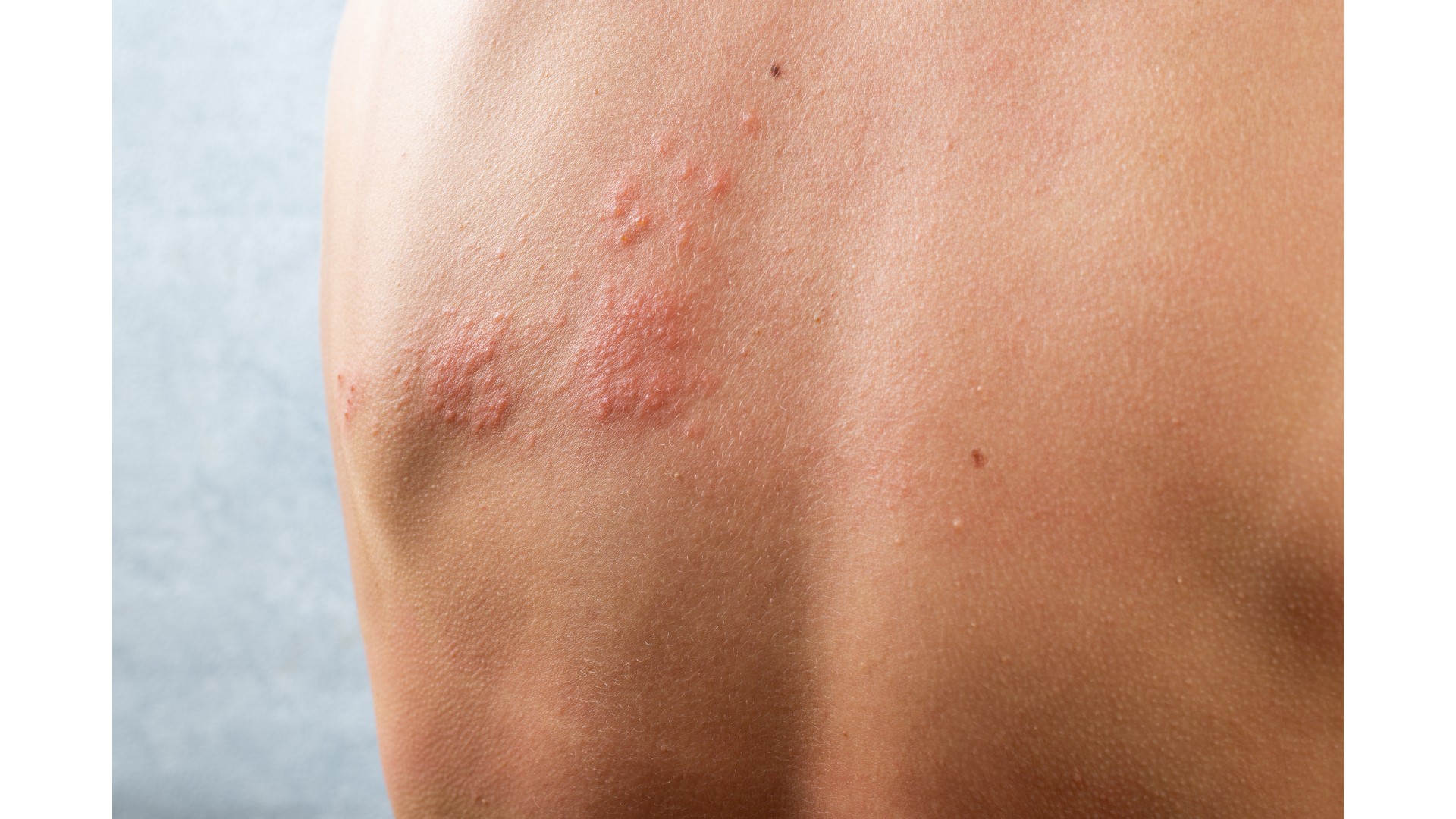
Close-up of a reddish skin rash on a person's back, representing rash, an early HIV symptom
Rash
A woman holding her throat in discomfort, representing sore throat, an early HIV symptom
Sore throat

How HIV Is Transmitted

HIV passes through specific body fluids, not casual contact.

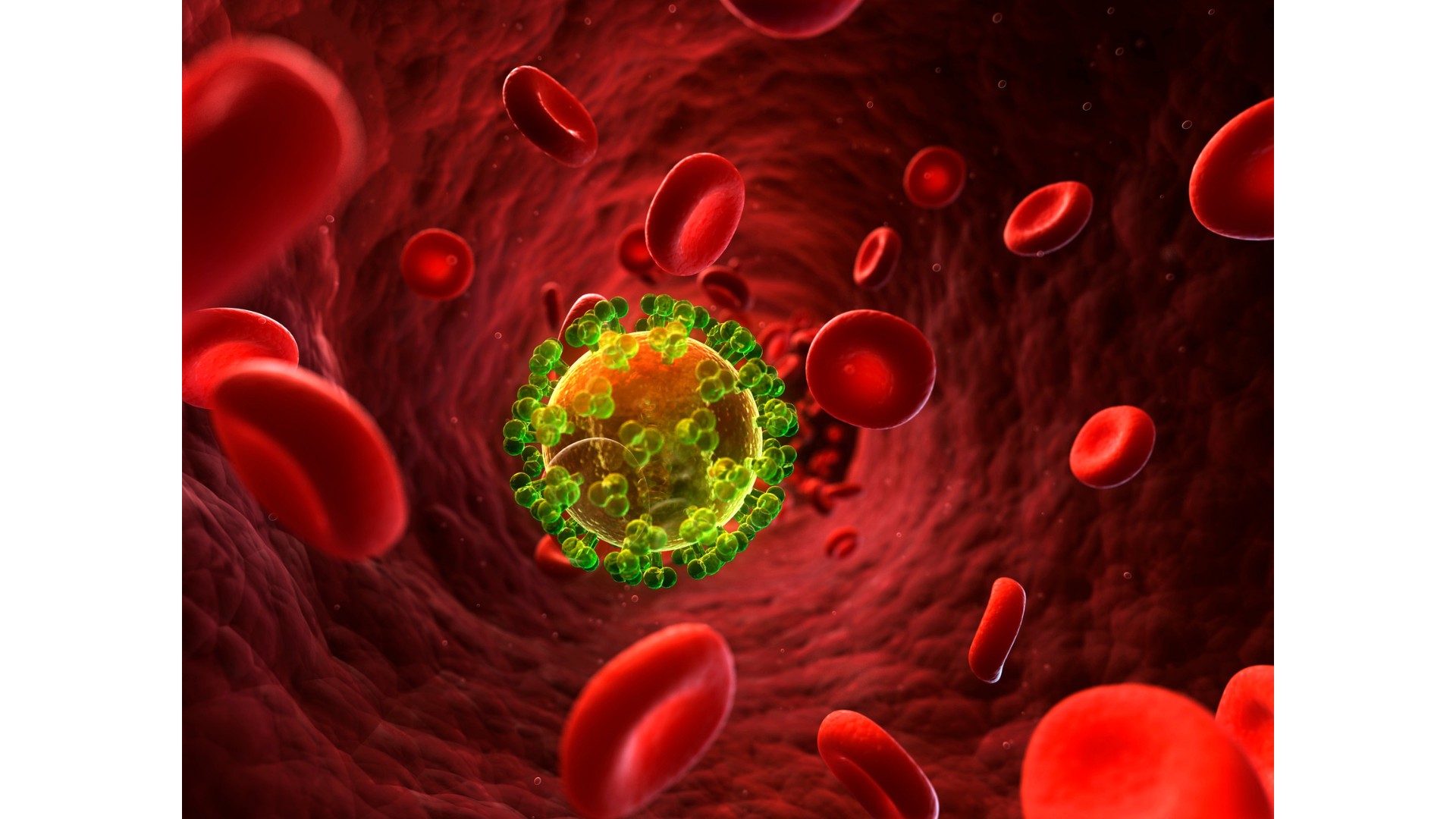
Digital illustration of an HIV virus particle among red blood cells inside a blood vessel

HIV spreads when one of the body fluids below, from a person carrying the virus, reaches another person's bloodstream or mucous membranes. It does not survive well outside the body, which is one reason everyday contact doesn't carry any risk.

Body Fluids That Can Carry HIV
  • Blood
  • Semen
  • Vaginal fluid
  • Breast milk
Not Spread Through Casual Contact
  • Hugging
  • Sharing utensils or dishes
  • Using the same toilet
Two women embracing in a warm hug, representing casual contact that does not spread HIV

HIV is most commonly transmitted through condomless sex or sharing needles or other injecting equipment.

Symptoms like rash aren't unique to HIV. Conditions such as syphilis can cause a similar body rash, and often share the same transmission routes as HIV — which is why some patients choose to check for more than one infection at the same time.

How HIV Is Tested

Three test methods, each with its own sample, suited case, and window period before results become reliable.

Test Method Specimen Best For Window Period
Rapid Test Finger-prick capillary blood A fast result during your visit, outside the early window 23–90 days (antibody-only) or 18–45 days (antigen/antibody combo) after exposure (CDC)
ELISA (Antibody Test) Venous blood draw, processed in the lab Routine and confirmatory testing 23–90 days (antibody-only) or 18–45 days (antigen/antibody combo) after exposure (CDC)
HIV RNA PCR (Viral Load) EDTA or citrate plasma Earlier detection after a recent exposure, and confirmatory adult diagnosis 10–33 days after exposure (CDC)
HIV RNA PCR detects the virus's genetic material directly, rather than the antibody response — technically a type of nucleic acid test, or NAT.
HIV DNA PCR: For Specific Clinical Situations
  • A related test, used only for specific situations: confirming infant HIV status, checking ART resistance mutations, or resolving discordant ELISA/RNA results.
  • Not recommended for adults' routine early detection — ask your clinician if it's relevant to you.
Not sure which one fits your situation? See how to decide →

Prevention and Treatment

Effective treatment and prevention options exist.

Without treatment, HIV progressively weakens the immune system, making the body more vulnerable to infections it would otherwise fight off. With modern antiretroviral therapy (ART), HIV is managed as a long-term chronic condition rather than a fatal one.

  • Antiretroviral therapy (ART): the standard treatment for HIV, taken as prescribed by a clinician. It doesn't cure HIV but keeps the virus suppressed.
  • Undetectable = Untransmittable (U=U): a person on ART with a sustained undetectable viral load does not transmit HIV sexually, according to the CDC and UNAIDS.
  • Post-exposure prophylaxis (PEP): a short course of antiretroviral medication started soon after a possible exposure, used to reduce the risk of the virus taking hold.
  • Pre-exposure prophylaxis (PrEP): medication taken before a potential exposure by HIV-negative people to reduce the risk of acquiring HIV.

Do You Need an HIV Test, or a Full STI Panel?

That depends on your situation. Symptoms like rash aren't unique to HIV — conditions such as syphilis can cause a similar body rash, and often share the same transmission routes as HIV. Because of this overlap, many patients choose to check for more than one infection during the same visit. Here's where to start.

If You Have Symptoms

  • Symptoms like fever, rash, or swollen lymph nodes — or a specific exposure you're concerned about — are worth discussing with our clinical team, since similar symptoms can also point to infections like syphilis or Hepatitis B.

If You're Just Worried

  • No symptoms, but testing gives peace of mind — routine screening is available any time.
Our Services
  • HIV Rapid, ELISA & RNA PCR Testing
  • Comprehensive STI PCR Panels
  • Syphilis & Hepatitis B Screening
Why Patients Choose Us
  • Confidential & discreet testing protocols
  • KENAS-accredited PCR laboratory testing
  • Same-day appointments available

This article is for general information only and does not replace professional medical advice, diagnosis, or treatment. Always speak to a qualified healthcare professional about your individual circumstances.

Frequently Asked Questions

Common questions about HIV testing in Nairobi.

Q How much does HIV testing cost at CA Medlynks? +
ELISA (antibody) testing costs KES 2,200, and HIV RNA (Viral Load) PCR testing costs KES 9,300 with results in 48 hours; ask our team for current rapid test pricing. HIV screening is also included in CA Medlynks' Bronze package (HIV, syphilis, and Hepatitis B, KES 5,000) and the more comprehensive Platinum package (KES 30,000). Other package tiers are available — see our full STI testing guide for details.
Q Can someone on HIV treatment still transmit the virus to a partner? +
No. A person on antiretroviral therapy (ART) who has a sustained undetectable viral load does not transmit HIV sexually, a principle known as Undetectable = Untransmittable (U=U), recognised by the CDC and UNAIDS. Reaching and maintaining an undetectable viral load requires taking ART as prescribed and regular monitoring by a clinician.
Q What are the symptoms of HIV? +
Many people with HIV have no symptoms at all, especially early on. When early symptoms do appear, the World Health Organization describes a flu-like illness with fever, headache, rash, and sore throat in the first few weeks after infection. Symptoms alone can't confirm or rule out HIV — testing is the only reliable way to know your status.
Q Is HIV testing at CA Medlynks confidential? +
Yes — HIV testing at CA Medlynks takes place in a private consultation room with strictly confidential protocols. Rapid tests give results in minutes, and RNA PCR results are ready in as little as 48 hours. You can discuss your testing options with our clinical team before deciding what to take.


Medically Reviewed By

This guide has been medically reviewed and is based on current international and Kenyan national HIV testing guidelines.

Dr. Paul Yonga

Dr. Paul Yonga

Medical Director & Infectious Disease Specialist
Qualifications
  • MBChB — Bachelor of Medicine & Surgery
  • MSPH — Master of Science in Public Health
  • FRCP (Edin) — Fellow of the Royal College of Physicians of Edinburgh
Areas of Expertise
  • Infectious Diseases Management
  • Travel Medicine & Tropical Diseases